Updates:Welcomes to Solex Immigration
x
s
o
l
e
x
- 200-170 Steelwell Road, Brampton
- info@soleximmigration.com
- Call Us: 647-507-0002


Visitor
Faster & Better. This is how we do it
VISITOR / SUPER VISA
Visitor Visa
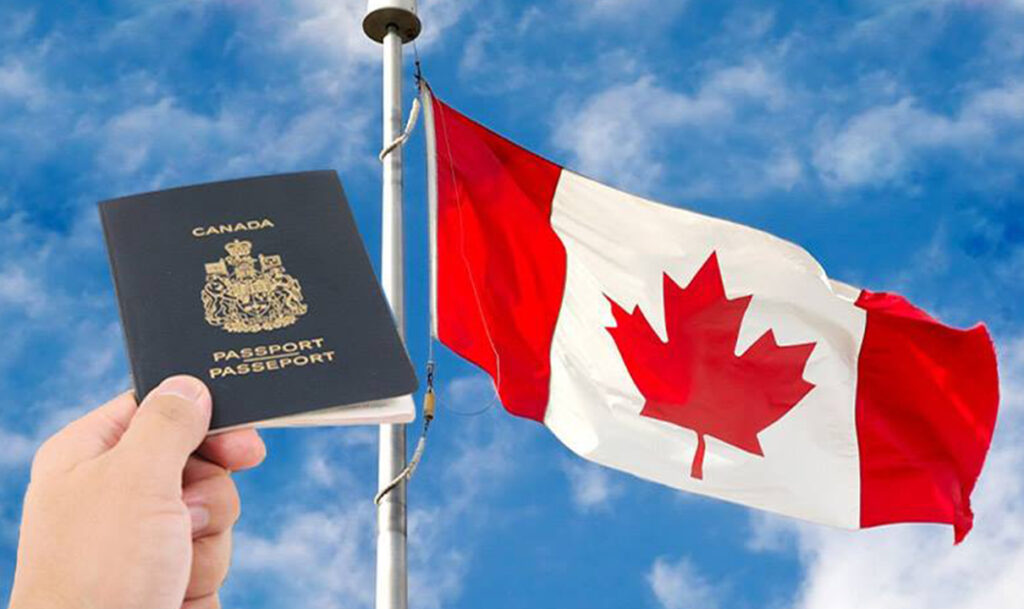
Millions of people visit Canada every year, whether it’s to see friends or family, take in some of the wonderful sites, or see if it’s the appropriate spot for a permanent move! A visiting visa to Canada allows visitors to stay in the country for up to six months.
Super Visa
A super visa is a multiple-entry visitor visa reserved for Canadian citizens and permanent residents’ parents and grandparents. It allows holders to stay in Canada for up to two years without having to reapply for a new visa.
It allows holders to stay in Canada for up to two years without having to reapply for a new visa.
-
Q1.How to Apply for a Visa / Super Visa.:
For both visa and super visa can easily apply online, or by submitting a paper-based application.
For super visa, You must show that you are the parent or grandparent of a Canadian citizen or permanent resident in either situation. A letter of invitation from your child or grandchild must be included with your application, together with arrangements for your care and details about the number of people living in their family in Canada. You must also show proof of private health insurance from a Canadian insurance carrier that is valid for at least one year.
-
Q2.Visa for visa-exempt country.
Visitors from visa-exempt nations are not required to get a visitor visa in order to enter Canada. Visitors who do not require a visa can stay in Canada for up to six months. If you are flying to Canada by plane from a visa-exempt nation, you must have an electronic Travel Authorization (eTA) from the Canadian government. An eTA is not required for visa-exempt travellers entering Canada by sea or land. It’s worth noting that US nationals can travel into and out of Canada with just their valid passport and no eTA! Fortunately, applying for an eTA is simple and inexpensive. You can get an eTA by going to the Canadian government’s website, filling out the needed information, and paying the $7 CAD price. Most eTA applications are processed in a matter of minutes, but it can take several days in some circumstances, so apply well ahead of time. An eTA is valid for 5 years or until your passport expires if authorised. If you are flying to Canada by plane from a visa-exempt nation, you must have an electronic Travel Authorization (eTA) from the Canadian government. An eTA is not required for visa-exempt travellers entering Canada by sea or land. It’s worth noting that US nationals can travel into and out of Canada with just their valid passport and no eTA!
-
Q3.Visa for not visa-exempt country?
Single-entry and multiple-entry visitor visas are available in Canada. Foreign nationals will be able to enter Canada only once with the single-entry visa. Multiple-entry visa holders are allowed to enter and exit as frequently as they wish within the validity period of their visa. A guest visa can be issued for a maximum of six months. The length of your visa, however, will be determined by the immigration officer in charge of your case. Only if your temporary status is still valid may you extend your guest visa from within Canada. Having an expired guest visa and no active extension application can affect future immigration applications. If you apply for an extension before your visa expires, you can remain in Canada under implied status until your application is approved. If you’re visiting Canada for business, you might need to apply for a business visitor visa. It should be noted that this visa is not intended for temporary foreign workers. To work directly in the Canadian labour market, you’ll need a separate work permit.
-
Q4.Super Visa for Visa-Exempt Visitors
Some foreign nationals do not require a visiting visa to visit Canada, depending on their country of citizenship. Visa-exempt travellers are those who do not require a visa. Visitors without a visa are only allowed to stay in Canada for up to six months before having to renew their status. As a result, parents and grandparents of visa-exempt Canadian citizens and permanent residents may desire to apply for a super visa. This will enable them to stay in Canada for up to two years at a time, allowing them to spend more time with their loved ones.
When applying for a super visa, visa-exempt parents and grandparents must follow the same steps as described above. Instead of a visa, successful applicants will be given a letter to deliver to a border services officer when they enter Canada, allowing them to stay. Even if they have successfully filed for a super visa, visa-exempt travellers who wish to fly to Canada by air must apply for an electronic travel authorization (eTA).
-
Q5.Super Visa Extensions
Holders with super visas can stay in Canada for up to two years. You must seek to extend your stay in Canada if you want to stay longer than two years. Your application for an extension should be submitted no later than 30 days before your existing status expires. If your existing visa expires while your application for an extension is being reviewed, you may stay in Canada until a decision is made. This is referred to as inferred status.
VISITOR TO STUDY
You can apply to alter your status to visitor, but you won’t be able to apply for a new study or work permit from within Canada once your current study or work permit expires. This implies you won’t be able to extend your study or employment permit any longer. From within Canada, most visitors are ineligible to apply for a study or work permit. You may have to leave Canada to apply for a new study or work permit if your status is changed to tourist. As a result, if you need additional time to apply for your permission, we strongly advise you not to change your status to visitor.
You can apply to alter your status to visitor, but you won’t be able to apply for a new study or work permit from within Canada once your current study or work permit expires.

VISITOR TO WORK PERMIT
International tourists with a job offer who are currently in Canada can now apply for a work permit without leaving the country. According to a press statement from Immigration, Refugees and Citizenship Canada (IRCC), the new policy takes effect immediately. It will help temporary residents with a work offer who are already in Canada, but it will not apply to anyone entering as a visitor after August 24. Visitors who match the qualifying criteria, which include Super Visa holders, business visitors, and persons who came to Canada under a Global Skills Strategy work visa exemption, can apply for the new temporary immigration policy. Temporary residents who stayed in Canada during the epidemic were urged to keep their legal status. Some visitors to Canada have been unable to depart due to limited air travel across the world, while some foreign workers have been forced to alter their status to tourist since their work permit was about to expire and they didn’t have a job offer to file for a new work permit. During this time, several firms in Canada, notably those who provide critical goods and services to Canadians, have encountered ongoing labour and skills shortages. An applicant seeking to profit from this temporary public policy must meet the following criteria in order to be considered.
been in Canada on August 24, 2020 and remained in Canada
have received a job offer
fulfil all other standard admissibility requirements
have valid visitor status in Canada on the day they apply
No later than March 31, 2021, submit an application for an employer-specific work permit that is accompanied by a Labour Market Impact Assessment (LMIA) or an LMIA-exempt offer of employment.
This interim public policy also allows candidates who meet these requirements and have held a valid work permit for the previous 12 months to start working for their new employer before their work permit application is entirely accepted.
Make sure you need a visitor visa before you apply
You may need a visitor visa or an Electronic Travel Authorization. The entry document you need depends on:
1. the type of travel document you plan to travel with
2. the country that issued your travel document
3. your nationality
4. your method of travel to Canada for this trip.

ABOUT THE DOCUMENT
A visitor visa (also called a temporary resident visa) is an official document that we stick in your passport.
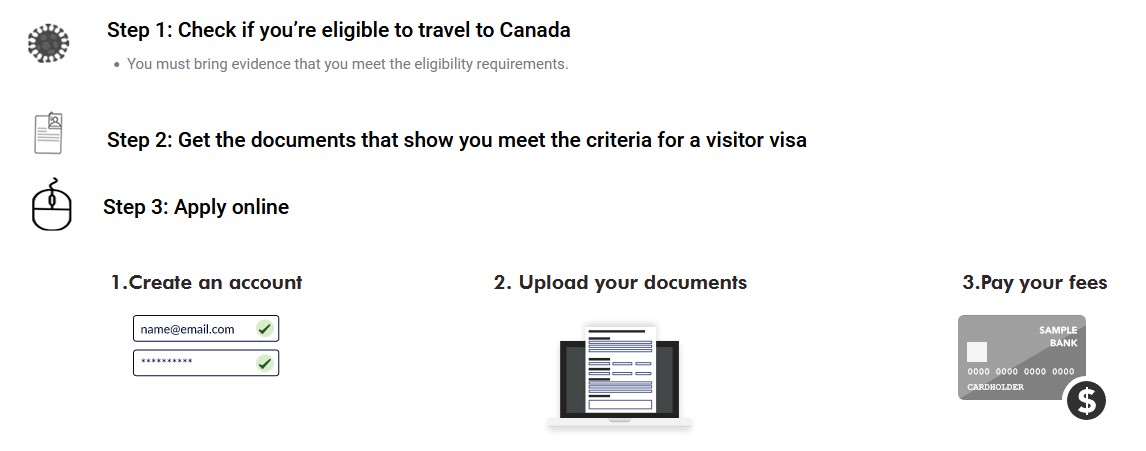
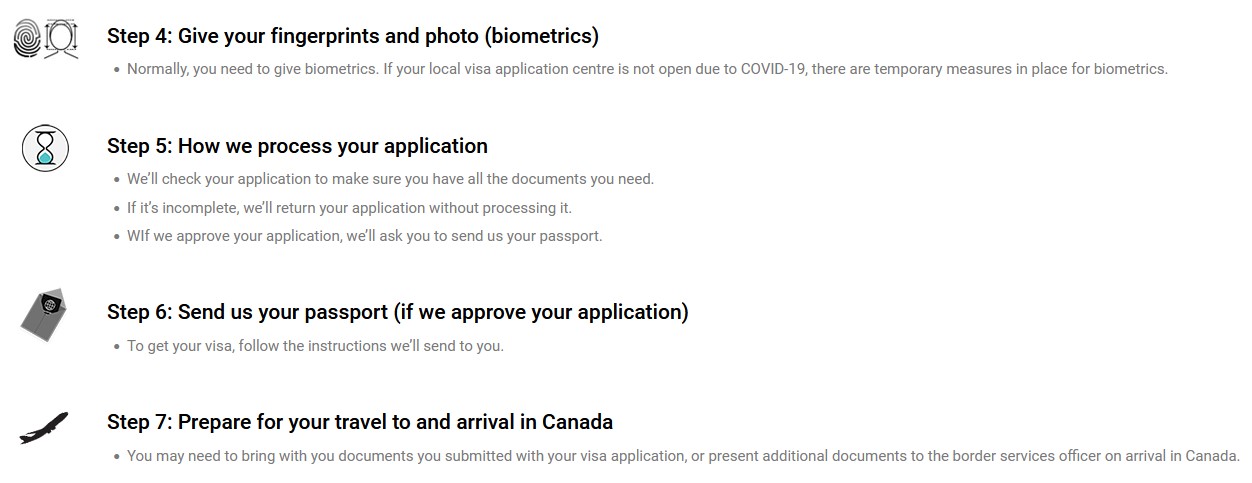
Steps to apply for a visitor visa